The Biological Revolution: Why Farmers Are Making the Switch
Soil degradation, pest resistance, and stricter regulations are pushing farmers toward biologicals. Learn what's driving the shift and how to be part of it.
Last updated:
20 February 2026
Tags:
#Farming practices
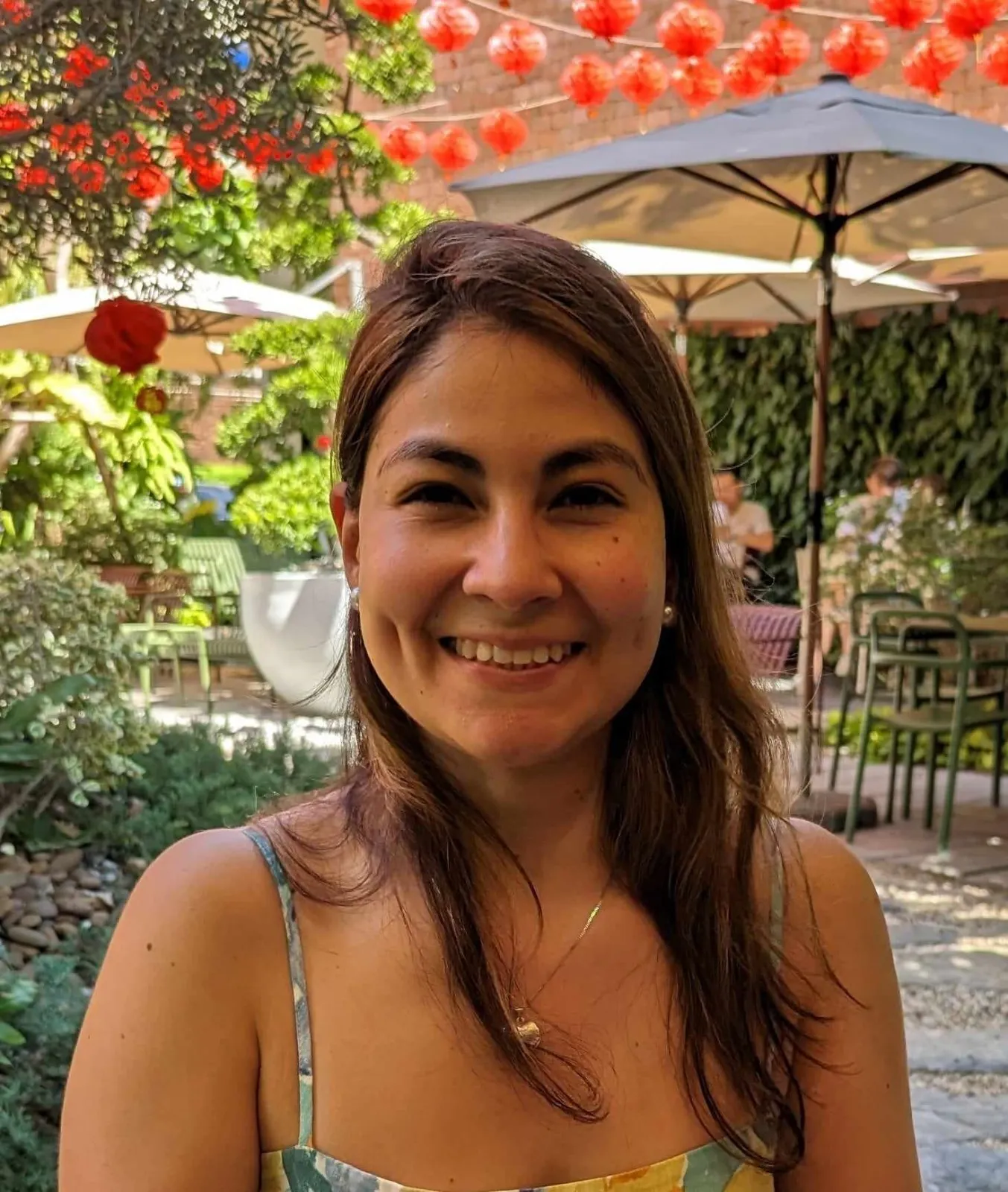
Lina Avila Henao
Founder & Lead Consultant
For decades, conventional agriculture has relied heavily on synthetic chemicals: fertilizers to boost soil nutrients, pesticides to fight off insects, and fungicides to keep diseases at bay. And for a long time, this approach worked. Yields went up, production scaled, and the global food supply grew.
But here's the thing — the soil started paying the price.
Over time, the heavy use of chemicals has led to declining soil health, resistant pest populations, and growing concerns about food safety and environmental impact. Farmers around the world are noticing: the same doses that used to work now need to be doubled. The soil that once thrived is now compacted and lifeless. And consumers? They're paying closer attention to what's on their food.
So what are biologicals, exactly?
Biological products or "biologicals" are tools derived from living organisms or natural substances. They include biofertilizers (microorganisms that help plants access nutrients), biostimulants (substances that enhance plant growth and stress tolerance), and biological control agents (organisms that suppress pests and diseases naturally).
Think of it this way: instead of forcing chemistry onto the soil, biologicals work with the biology that's already there. They support the natural processes that healthy soils depend on.
Why is this shift happening now?
Several forces are converging to accelerate the move toward biologicals in agriculture:
Regulatory pressure: Governments worldwide are tightening restrictions on synthetic chemicals. The EU, for example, has been phasing out several active ingredients, pushing companies and farmers to find alternatives.
Soil degradation: Decades of intensive chemical use have damaged soil microbiomes. Biologicals offer a way to rebuild these microbial communities and restore soil functionality.
Resistance: Just as bacteria develop resistance to antibiotics, pests and pathogens are becoming resistant to chemical treatments. Biological agents, with their multiple modes of action, are harder for pests to outsmart.
Consumer demand: The organic and "clean label" market is booming. Farmers who adopt biologicals can access premium markets and meet the expectations of increasingly health-conscious consumers.
Technology and science: Advances in microbiology and fermentation technology have made it possible to produce biologicals at scale, with consistent quality — something that was a real barrier just ten years ago.
Does this mean chemicals are dead?
Not at all. The future of agriculture isn't about choosing one side over the other. It's about integration. Many of the most effective crop management programs today use a combination of biological and chemical products — an approach known as Integrated Pest Management (IPM).
For example, a farmer might use a biofertilizer like a Bacillus-based inoculant to enhance nutrient uptake, while still applying a targeted chemical treatment when a pest outbreak reaches a critical threshold. The goal is to reduce dependency on chemicals, not eliminate them overnight.
A real-world perspective
I've lived this transition. I was hired by a chemical company specifically to set up their biologicals lab — from scratch. That experience taught me that the shift isn't just about science; it's about mindset. The biggest challenge isn't the technology. It's convincing people that biology can be just as reliable, just as scalable, and just as profitable as chemistry.
Spoiler: it can. And in many cases, it's more sustainable long-term.
What's next?
The biological revolution isn't coming. It's already here. The question is whether you're going to be part of it.
If you're a farmer exploring alternatives, a professional in a chemical company looking at biologicals, or an entrepreneur thinking about setting up your own lab — the time to start learning is now. Because the shift won't wait, and the earlier you understand these tools, the better positioned you'll be.
Lina Avila Henao
Founder & Lead Consultant