Biostimulants
Biostimulants are natural or biologically derived substances and microorganisms that applied to plants to enhance nutrient uptake, plant growth, stress tolerance, or quality traits by stimulating natural processes within the plant. Unlike fertilizers, which provide nutrients directly, biostimulants improve the plant’s ability to absorb nutrients, tolerate environmental stress (such as drought or heat), and enhance overall productivity. They can include seaweed extracts, amino acids, beneficial fungi, bacteria, and humic substances. By improving soil health and plant resilience, biostimulants support more sustainable and efficient agricultural practices.
2 articles
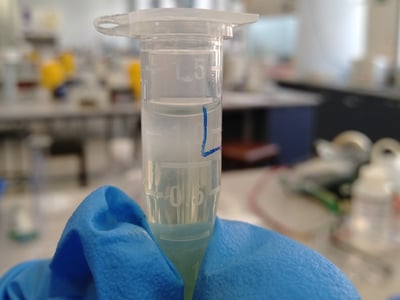
#Biostimulants
Biostimulants in Agriculture: What they are and how they work
Biostimulants enhance how plants take up nutrients, handle stress, and use what's already in the soil. A clear explanation of what they are, what they aren't, and how to use them.
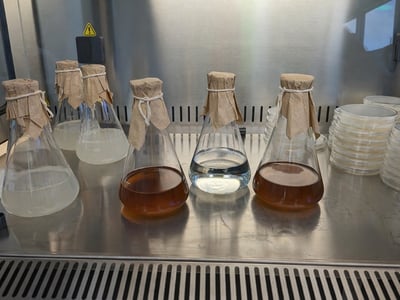
#Biostimulants
Biostimulants in Agriculture: Why they matter?
Explore how biostimulants improve crop resilience, nutrient uptake, and reduce chemical inputs—plus key types and global trends.