All Articles
16 articles
#Agricultural concepts
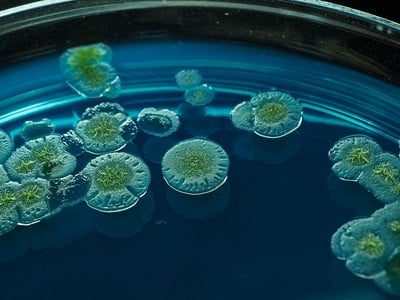
What is a microbial strain and why it matters in biological agriculture
Not all microorganisms with the same species name behave the same way in the field. Learn what a microbial strain is, how genus, species, and strain relate to each other, and why strain-level identity, backed by morphological, biochemical, and molecular characterization, is what determines the real performance of a biological product.
#Agricultural concepts
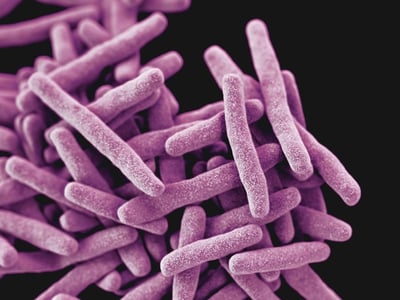
The myth of universal strains: Can one biological control agent work everywhere?
Learn why no biological strain works everywhere. Understand climate adaptation, local competition, and how to choose the right strain for your region.
#Bioinoculants
Are microbial consortia optimal or just marketing? Single strains vs. multi-strain inoculants
Are microbial consortia really better than single-strain inoculants? An honest look at the evidence, compatibility testing, and how to evaluate biologicals. A clear-eyed look at what the science actually says about combining microbes - and how to tell a well-designed product from a crowded label.
#Biologicals Lab Setup
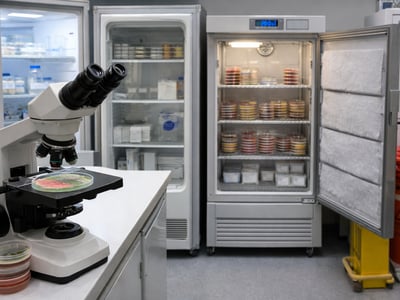
Transitioning from a Chemical to a Biologicals Lab: a practical guide
Setting up a biologicals lab from scratch takes planning, patience, and the right equipment. A practical guide based on my experience building a bio lab inside a chemical company.
#Agricultural concepts
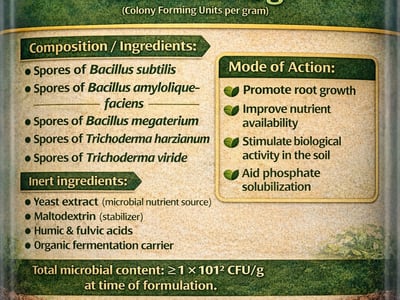
How to read a biological product label (what actually matters)
CFU, spores per gram, storage conditions, inert ingredients . Biological product labels carry critical information. Learn what to look for and what to question before you buy.
#Bioinoculants
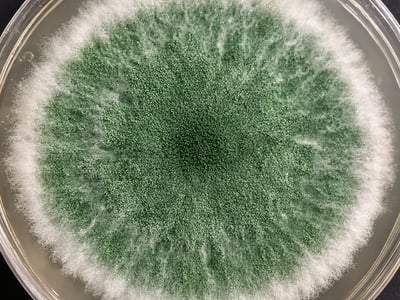
Trichoderma for plants: the fungi that protect your roots
How Trichoderma protects plant roots from Fusarium, Rhizoctonia, and other soil pathogens. Mechanisms, application, and what to expect.
#Agricultural concepts
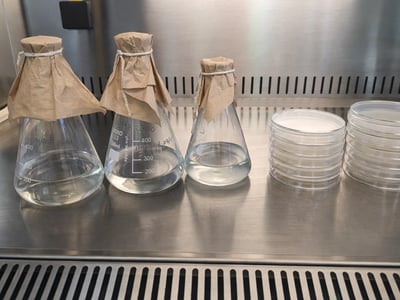
Biologicals are not chemicals — And that’s the first thing we need to understand
Biologicals are not chemicals. They are living organisms in a living system. Learn why results vary, why patience matters, and how to use them properly.
#Innovation
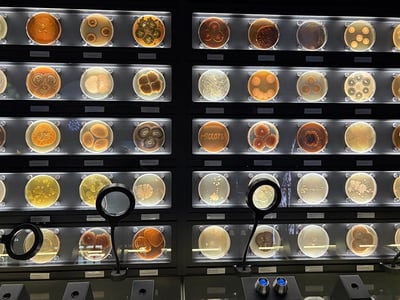
The Biological Revolution: Why farmers are making the switch
Soil degradation, pest resistance, and stricter regulations are pushing farmers toward biologicals. Learn what's driving the shift and how to be part of it.
#Bioinoculants
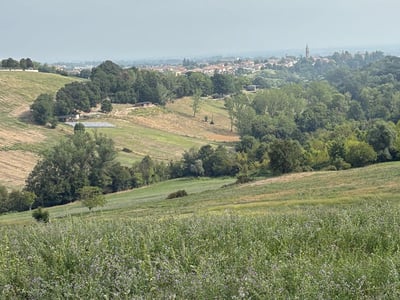
Why your Bioinoculant never actually worked (even though you thought it did)?
Bioinoculants often fail due to poor application timing, wrong conditions, or chemical incompatibility. Learn the five possible reasons yours didn't work and how to fix them.
#Biostimulants
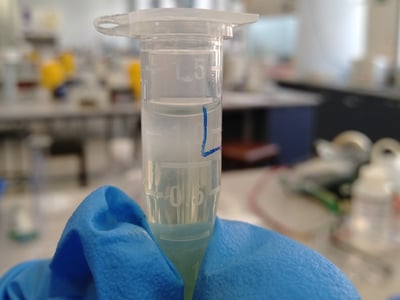
Biostimulants in Agriculture: What they are and how they work
Biostimulants enhance how plants take up nutrients, handle stress, and use what's already in the soil. A clear explanation of what they are, what they aren't, and how to use them.
#Bioinsecticides
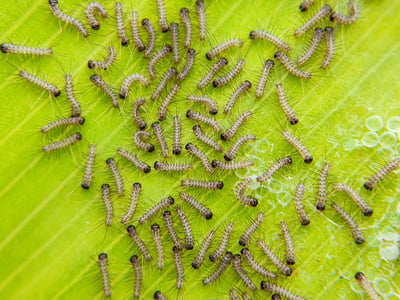
Entomopathogenic Fungi: Nature’s own pest control
Pest resistance growing? Entomopathogenic fungi offer a natural alternative to chemical insecticides. Discover how they work, key species, and practical field tips.
#Biofertilizers
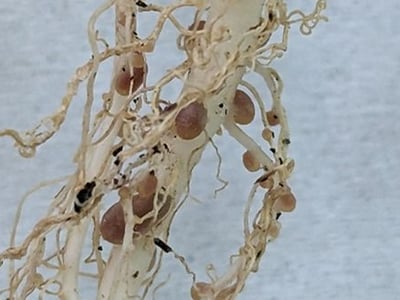
Rhizobium in Australia: Why its inoculant system works so well
Australia is a global reference point for Rhizobium inoculants. A look at the conditions, institutions, and quality systems behind biological nitrogen fixation done well.
#Sustainable Agriculture
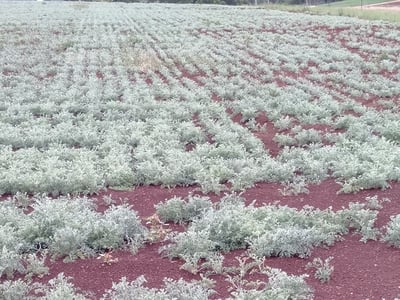
Regenerative Agriculture practices that actually work
A practical look at the regenerative agriculture practices producers can adopt today, from cover cropping and reduced tillage to agroforestry, with a closer look at what shelterbelts do for soil microbiology
#Biostimulants
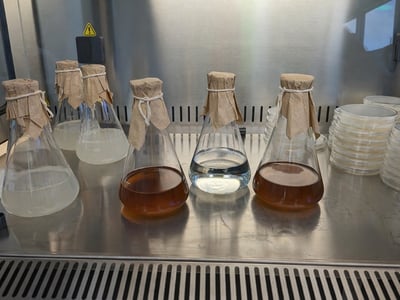
Biostimulants in Agriculture: Why they matter?
Explore how biostimulants improve crop resilience, nutrient uptake, and reduce chemical inputs—plus key types and global trends.
#Biofertilizers
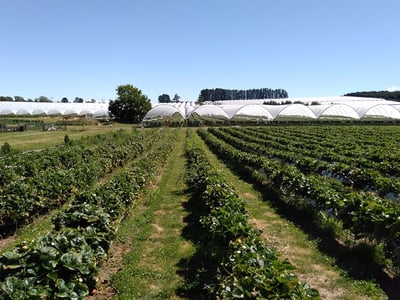
Biofertilizers: What they are, how they work, and what the research shows
Biofertilizers use living microbes to feed crops and rebuild soil. A look at how they work, the types that exist, and what field research from Brazil and Colombia actually shows.
#Biologicals Lab Setup
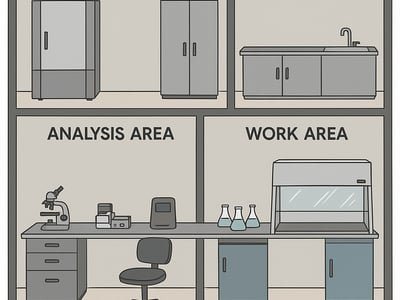
How to set up a small-scale biofertilizer production lab: Main considerations to start yours
This article provides a practical guide for farmers and entrepreneurs looking to establish a small-scale biofertilizer or biostimulant production laboratory. It covers key aspects including lab space planning, essential equipment, production processes, quality control, regulatory compliance, and basic strategies for scaling up to commercial levels.