Bioinoculants
Bioinoculants are products that contain living microorganisms, usually bacteria or fungi, applied to seeds, roots, or soil to establish a beneficial association with the plant. They work by improving nutrient access, colonizing the root zone, or supporting soil biological activity. Common examples include nitrogen-fixing Rhizobium and phosphorus-solubilizing fungi.
3 articles
#Bioinoculants
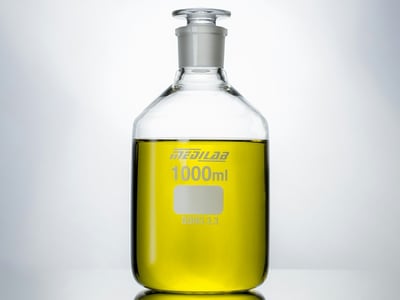
Are microbial consortia optimal or just marketing? Single strains vs. multi-strain inoculants
Are microbial consortia really better than single-strain inoculants? An honest look at the evidence, compatibility testing, and how to evaluate biologicals. A clear-eyed look at what the science actually says about combining microbes - and how to tell a well-designed product from a crowded label.
#Bioinoculants
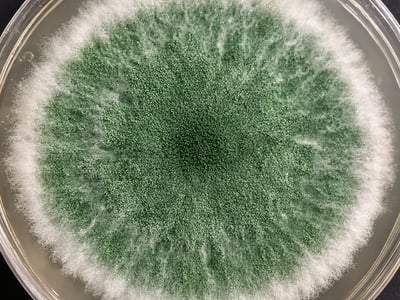
Trichoderma for plants: the fungi that protect your roots
How Trichoderma protects plant roots from Fusarium, Rhizoctonia, and other soil pathogens. Mechanisms, application, and what to expect.

#Bioinoculants
Why your Bioinoculant never actually worked (even though you thought it did)?
Bioinoculants often fail due to poor application timing, wrong conditions, or chemical incompatibility. Learn the five possible reasons yours didn't work and how to fix them.